
Open source as the key: How Europe is shaping its own digital future
Europe's strategic dependence – and how we can overcome it
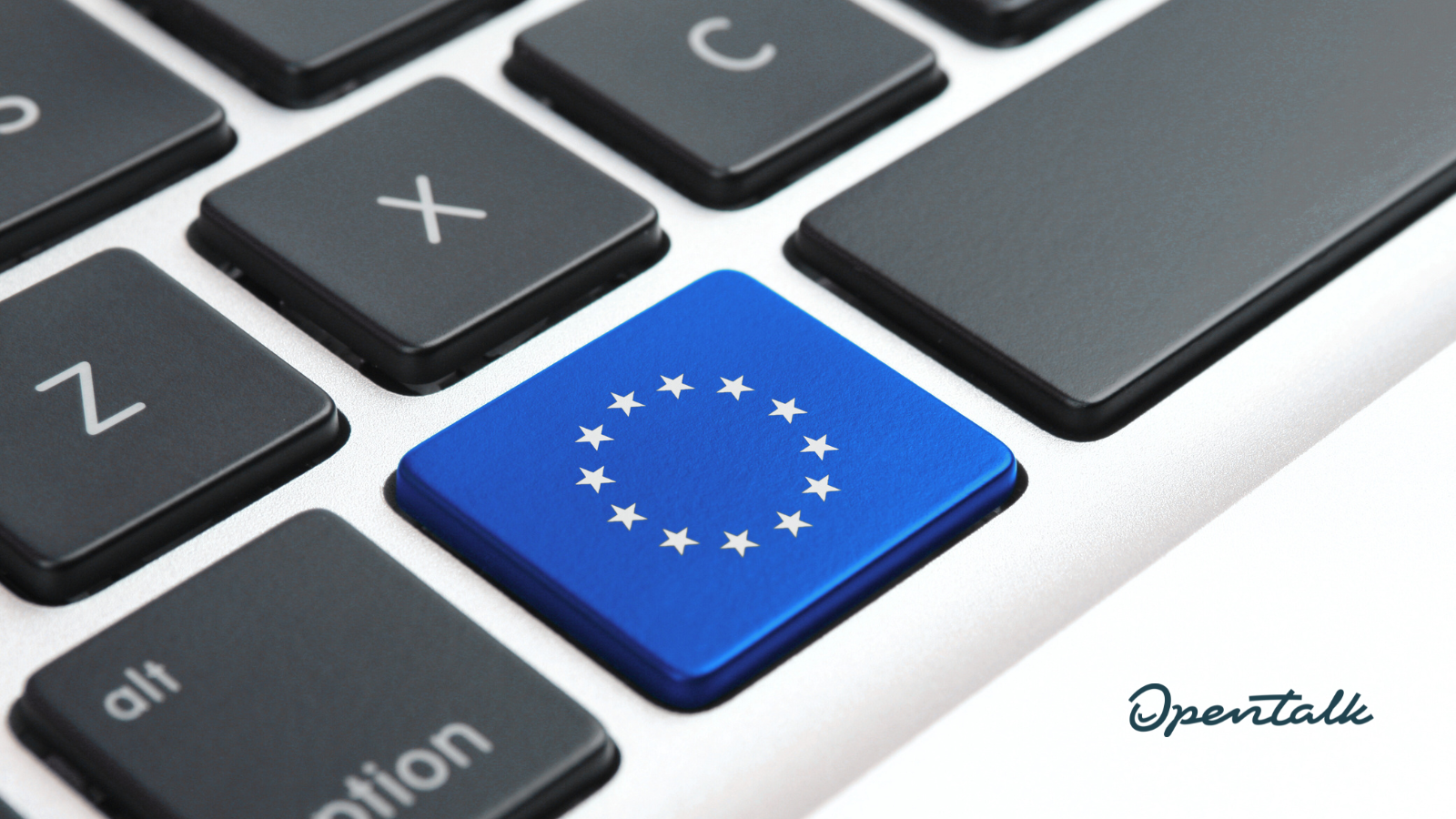
Europe is at a crossroads: €1.4 trillion was invested in technology in 2025 – but a large part of these funds is flowing into proprietary solutions from foreign providers. The result? A one-sided dependence that not only weakens competitiveness but also undermines Europe's digital sovereignty. While the US and Asia are deliberately strengthening their technology markets, Europe is in danger of becoming a mere consumer rather than a shaper of the digital future.
But there is a way out: open source as a strategic lever. Open source software such as OpenTalk proves that Europe can not only keep up, but also take the lead in technology – if it sets the right course.
Open source: a question of digital self-determination
The discussion about open source is not a technical one, but a strategic one. It concerns fundamental questions:
- Who controls the infrastructure on which our authorities, companies and critical services are built?
- Where do the innovations that shape our digital future come from?
- How do we ensure that European values such as data protection, transparency and democratic control also apply in the digital world?
Proprietary solutions offer apparent convenience – but the price is high: dependency, non-transparent data flows and long-term costs. Open source, on the other hand, enables Europe to set its own standards, promote the development of local expertise and create infrastructures that we control ourselves.
Open source as a driver of innovation and economic growth
Solutions such as OpenTalk and OpenCloud show how open source is driving European innovation:
- Local value creation: investments in open source strengthen European companies and create future-proof jobs.
- Resilience through collaboration: open standards and community development lead to more robust, adaptable software.
- Strategic independence: Europe can break away from unilateral dependencies and build its own technological ecosystems.
Shaping the future: what needs to be done now
Europe has the opportunity to become a global pioneer in digital sovereignty – but to do so, three crucial steps are necessary:
- Redirect investment: Public funds must be channelled specifically into open source projects that set European standards. Initiatives such as the EU Sovereign Tech Fund are an important start.
- Make ‘public money, public code’ the rule: When taxpayers' money is invested in software, the code should be open and publicly accessible. This promotes transparency, innovation and cost efficiency.
- Embed open source culture in public authorities: By setting up Open Source Program Offices (OSPOs) in public institutions, Europe can ensure that open source is not only used, but also actively shaped.
Conclusion: Europe can – and must – shape its own digital future
Through the consistent use of open source, we are not only strengthening our technological independence, but also our economy, security and democratic values.
The question is not whether Europe should go down this path, but how quickly. The tools are there. The projects are successful. Now it's time to take the next step – and make open source the foundation of Europe's digital strategy.
More articles
OpenTalk and ECOS Technology: Partnership for highly secure video conferencing
Video conferencing has become an integral part of everyday working life, including within government departments, public bodies and secur
How sovereign is your video conferencing solution?
Video conferencing is now an integral part of business-critical digital infrastructure.